


Asia
The Silk Road of the Sea: A Guide to Cruising Asia
Cruising Asia is an unparalleled adventure, seamlessly blending ancient history, buzzing modern metropolises, and stunning natural beauty. From the neon glow of Tokyo and Hong Kong to the tranquil temples of Thailand and the majestic karst landscapes of Vietnam, each port offers a completely unique experience. Here is your essential guide to navigating the wonders of the East on your cruise.
Pre-Arrival & Logistics
These topics cover the practical planning before setting foot in the port.
Transportation Options:
- Availability and cost of taxis, ride-shares, public buses, or cruise line shuttles:
- Taxis/Ride-Shares (Grab/Go-Jek): Readily available in major cities like Singapore, Hong Kong, and Bangkok. In Southeast Asia (Vietnam, Thailand, Malaysia, Indonesia), ride-share apps like Grab are often the easiest and most cost-effective way to travel, offering fixed prices. In Japan, taxis are plentiful, but more expensive.
- Public Transport: Excellent in places like Tokyo and Singapore, offering fast and cheap access to attractions. Consider buying a transit card for seamless use.
- Cruise Line Shuttles: Often provided for ports like Laem Chabang (for Bangkok) or Port Klang (for Kuala Lumpur) which are far from the main city centers. While more expensive, they offer peace of mind for long transfers.
- Tips for navigating local transport: Always have your destination address written in the local script/language, especially for taxis without meters or in less touristy areas.
- Safety precautions for local transport: Stick to licensed taxis or official ride-share apps. Negotiate a fare before getting in if the taxi doesn't use a meter, or insist on the meter being used.
Currency & Communication:
- Local currency accepted: Most countries require local currency (e.g., Yen in Japan, Baht in Thailand, Rupiah in Indonesia). However, US Dollars are sometimes accepted in Vietnam or Cambodia, but often at poor exchange rates.
- Credit Cards: Widely accepted in major hotels, upscale restaurants, and large shopping malls in big cities, but cash is king at local markets, street stalls, and for small purchases.
- Availability of ATMs and exchange rates: ATMs are common and generally offer good rates. It's best to withdraw a modest amount of local currency at the port terminal or a city ATM. Avoid exchanging large amounts at airport/port kiosks for the best rates.
- Cell service/Wi-Fi availability in the port area: Port terminals often have free Wi-Fi, but quality can be poor. Buying a local prepaid SIM card (very cheap in Thailand, Vietnam, and Malaysia) or using an eSIM is highly recommended for reliable navigation and communication.
Weather & Best Time to Visit:
- Typical climate/weather to expect: Generally hot and humid, especially in Southeast Asia. Northern ports like Japan and China experience four distinct seasons.
- Seasonal considerations:
- Southeast Asia: The best time is typically the dry season, November to March. The monsoon season (May to October) brings heavy, short-lived rains, high humidity, and the risk of typhoons in the northern part of the region (Hong Kong, Northern Vietnam).
- Northeast Asia (Japan/China/Korea): Spring (March–May) for cherry blossoms and Autumn (September–November) for beautiful fall foliage are the most popular times with mild, comfortable weather. Avoid peak summer (June-August) for intense heat and humidity.
Attraction & Activity Guides
This is the core of the experience—what to see and do.
Must-See Landmarks:
- Historical sites, architectural highlights, and famous monuments:
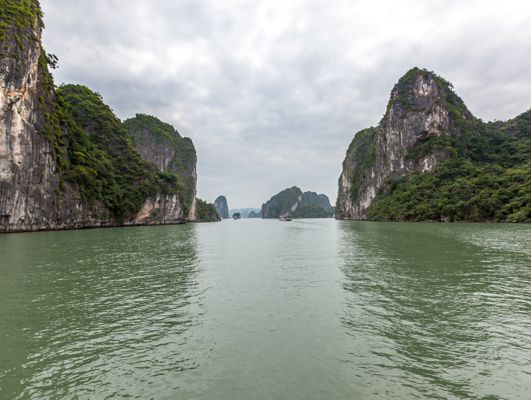
- Vietnam (Halong Bay): The breathtaking karst seascape is a must-see for a dramatic natural wonder.
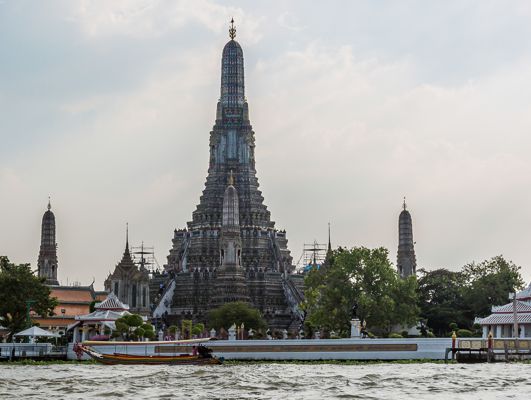
- Thailand (Bangkok): The ornate Grand Palace and the reclining Buddha at Wat Pho.
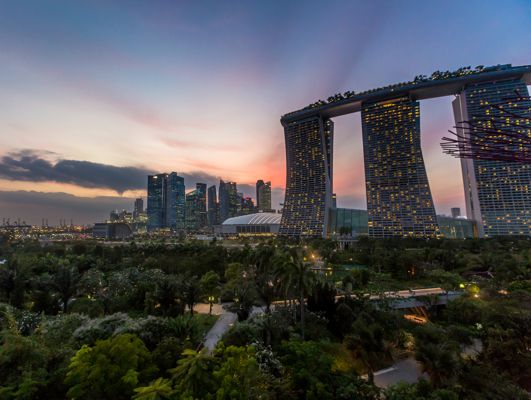
- Singapore: The futuristic Gardens by the Bay and the iconic Marina Bay Sands complex.
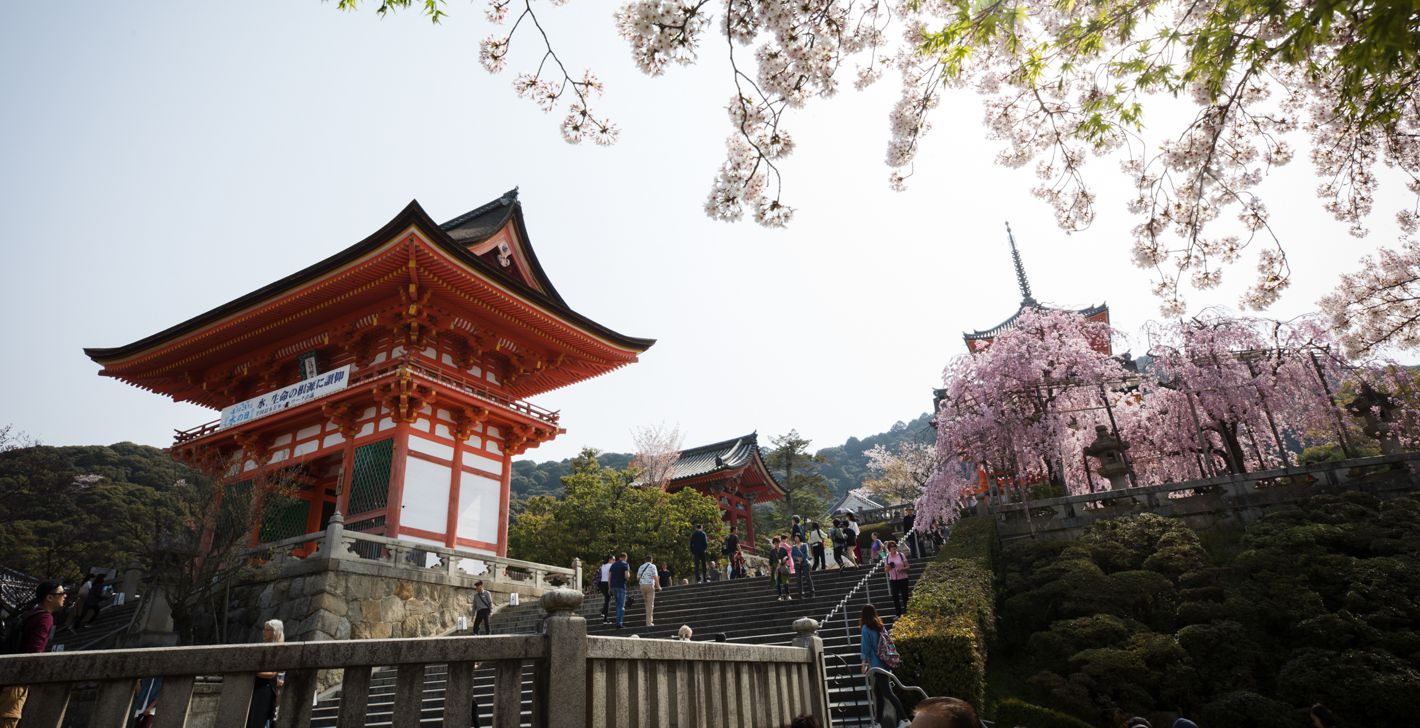
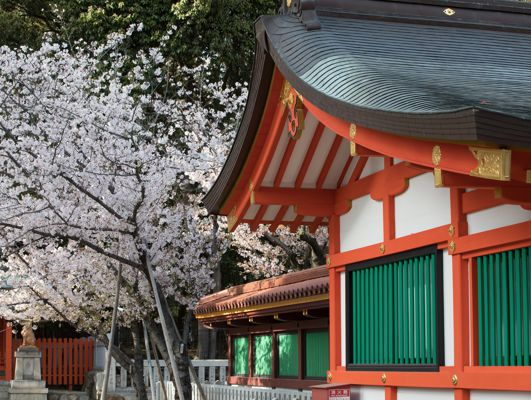
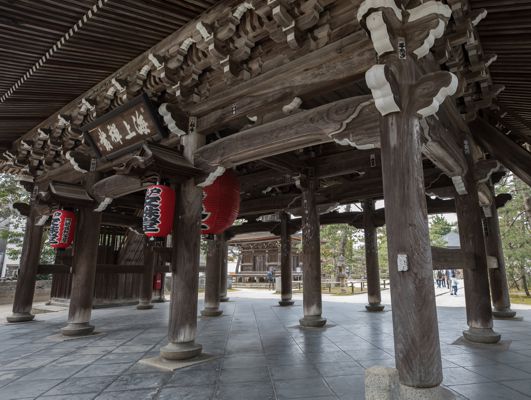
- Japan (Tokyo/Kyoto): Ancient temples like Senso-ji or the tranquility of Kyoto's shrines, a fantastic contrast to the modern cityscape.
- Hong Kong: The stunning skyline view from Victoria Peak.
Local Experiences & Culture:
- Unique cultural activities: Attend a traditional puppet or dance performance in Bali, take a traditional rickshaw ride in a Vietnamese city, or witness a tea ceremony in Japan.
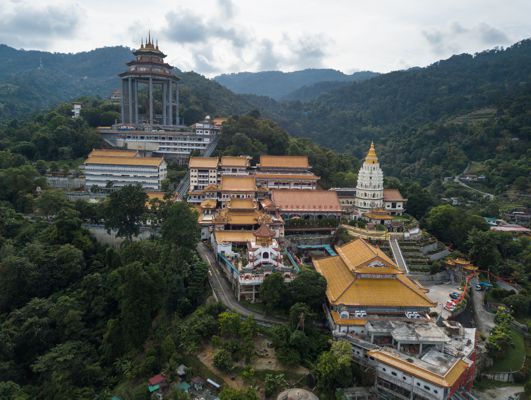
- Suggested walking tours or self-guided routes: Explore the historic Hutongs (ancient alleyways) in Beijing, wander through the colonial streets of Georgetown, Penang (Malaysia), or take a self-guided hawker center food tour in Singapore.
- The "vibe" of the city or town: Asia is a continent of contrasts. Expect the serene spirituality of Balinese temples right next to the electric energy of Bangkok's street markets, or the hyper-modern efficiency of Japan layered over centuries of tradition.
Nature & Adventure:
- Beaches, hiking trails, national parks: Cruise stops often lead to incredible natural beauty. Look for the stunning beaches and islands around Phuket or Langkawi, or the lush national parks inland in Sri Lanka.
- Popular shore excursions: Snorkeling and diving in the crystal-clear waters of the Philippines, hiking to view magnificent waterfalls, or taking a junk boat cruise through Ha Long Bay.
- Tips for booking non-cruise line excursions: Using reputable local operators can save money and offer a more authentic, small-group experience. Book with companies that have excellent, recent reviews on major travel sites, and ensure they have a clear return-to-ship guarantee in case of delays.
Shopping:
- Best places to buy souvenirs, local crafts, and duty-free items: Head to local night markets (like Temple Street in Hong Kong or the night bazaars in Chiang Mai) for great bargains and a lively atmosphere. Major cities have massive, modern malls for high-end or duty-free shopping.
- Insider tip:
- Vietnam: Famous for incredible silk products, custom tailoring, and lacquerware.
- Malaysia/Indonesia: Batik textiles and carvings.
- Sri Lanka: High-quality tea and sapphires.
- Japan: Unique, high-quality ceramics and artisanal goods.
Food & Drink Focus
Local Cuisine Spotlight:
- Dishes and ingredients the region is famous for:
- Vietnam: Pho (noodle soup), fresh spring rolls (Gỏi cuốn).
- Thailand: Pad Thai, Tom Yum Goong (spicy soup), and all things street food.
- Singapore/Malaysia: Hainanese Chicken Rice, Laksa (spicy coconut curry noodle soup), and Satay.
- Japan: Sushi, Ramen, and Takoyaki (octopus balls).
- Recommended food stalls, markets, or casual eateries: Seek out the legendary Hawker Centers in Singapore and Malaysia—they offer a mind-boggling variety of safe, clean, and ridiculously cheap local delicacies.
- Tips on avoiding tourist traps near the port: The rule of thumb in Asia is simple: Follow the locals. If a small, unassuming stall has a long line of local residents, that's where you should eat. Avoid restaurants with aggressive street barkers or menus with pictures and English translation only.
Best Restaurant Recommendations:
- Suggestions for a quick bite or a more relaxed sit-down meal: For a quick, cheap bite, you can't beat street food. For a relaxing meal, look for a rooftop bar/restaurant, especially in places like Bangkok or Hong Kong, which offer phenomenal views along with the meal.
Drink Culture:
- Local beverages to try: Vietnamese coffee (often served with sweetened condensed milk), fresh coconut water in Thailand, and local lagers like Tiger (Singapore/Malaysia) or Asahi (Japan). In India and Sri Lanka, a cup of locally grown tea is a must.
- Recommended spots for happy hour or a picturesque view: Find a sky bar in a major city! They are globally famous in places like Bangkok, Hong Kong, and Singapore for their stunning, panoramic views.
- Tip: Legal drinking age varies significantly. It's often 18 in Southeast Asian nations, but 20 in Japan and South Korea. Be aware of local laws.
Port-Specific Tips & Safety
Advice to make the day run smoothly and safely.
Time Management:
- The necessary time buffer for getting back to the ship: Always aim to be back on the ship at least 1.5 to 2 hours before the final all-aboard time. Traffic in major Asian cities (Bangkok, Manila, Ho Chi Minh City) can be notoriously unpredictable and can easily cause hour-long delays.
- How long it takes to see the main sights: For a port that is far from the city (like Laem Chabang or Port Klang), a round-trip transfer alone can take 3-4 hours, so your time in the main city will be limited to 4-5 hours. Plan wisely!
Safety & Scams:
- General safety advice for the location: Asia is generally very safe, but common sense applies. Stay aware of your surroundings, especially in crowded markets and public transport. Dress respectfully when visiting temples or religious sites (covering shoulders and knees).
- Common tourist scams to watch out for:
- Unlicensed Taxis: Only use official taxi stands or ride-share apps to avoid inflated fares or detours.
- The "Temple is Closed" Scam: A friendly local tells you the attraction you are heading to is closed and redirects you to a shop or alternative tour. Ignore them and check the official opening hours yourself.
- Moped/Motorcycle Taxi Scam (in Vietnam/Thailand): Drivers may claim their meter is broken or demand an outrageous sum upon arrival. Settle the fare first or use a reputable company.
- Emergency contact numbers: Keep the ship's emergency number and the local police number written down.
Budgeting:
- Estimated cost for a typical day (transport, food, one attraction):
- Budget-Friendly Day: $30–$50 USD (local transport, street food meals, free temples/parks).
- Luxury Day: $150–$300+ USD (private car/guide, high-end restaurant, ticketed excursions).
- Tips for a budget-friendly or luxury day in port: Budget travelers should stick to public transport and hawker centers/street food. Luxury travelers can hire a private car and driver for the day—it’s a surprisingly affordable way to see multiple sites efficiently.
- A lesser-known, non-touristy spot that you highly recommend: Instead of the main commercial centers, seek out a local community art center or a quiet, old-town neighborhood like the Portuguese Quarter in Malacca, Malaysia or the back streets of Little India, Singapore, for a truly authentic glimpse of local life.
Gallery:

Testimonial
Real Stories from Happy Travelers
.png)
Sarah Kathrik
“My Bali adventure with Travio was everything I hoped for and more. From the moment I landed, I felt cared they had arranged a wonderful local guide who hidden spots I’d never have found on my own. Each day was a balance of relaxation and adventure, from surfing lessons at Kuta Beach to a serene visit to the Ubud rice terraces.”
Location: Santorini, Greece
Rating: 4.6

.png)
Michael jason
“I chose Travio for a European tour, and their service was phenomenal. A few days before my trip, I had a medical issue, and their team went above beyond to rearrange my itinerary, ensuring I didn’t miss out on anything. They even arranged a private guide for one part of my trip when I wasn’t feeling well enough for group activities.”
Location: Bali, Indonesia
Rating: 4.8
.png)
Emma Mathe
“My trip to Paris through Travio was packed delightful surprises! I expected to see the typical sights, but my guide introduced me to charming, lesser-known spots that I absolutely adored – from small Parisian bookstores to hidden patisseries with the pastries I’ve ever tasted. One evening, they even organized a special river cruise dinner.”
Location: Tokyo, Japan
Rating: 4.8
.png)
Jason Thomas
“Travio helped my family and me plan our first-ever vacation to Japan, and it couldn’t have been more perfect. I was concerned about keeping my kids engaged, but Travio created an itinerary that was fun for all ages! From sumo-wrestling experiences to interactive museums, every day was an adventure for them.”
Location: Cape Town, South Africa
Rating: 4.8
