

Mediterranean
Sailing the Azure: Your Ultimate Guide to a Mediterranean Cruise
Cruising the Mediterranean Sea is a journey through history, culture, and breathtaking landscapes. This guide provides the essential tips to make your adventure seamless, whether you're exploring the ancient ruins of Rome or the sun-drenched beaches of the Greek Isles.
Pre-Arrival & Logistics
These topics cover the practical planning before setting foot in the port.
Transportation Options:
- Availability and cost: In most major ports (Barcelona, Rome/Civitavecchia, Athens/Piraeus), you’ll find licensed taxis readily available. Public buses and metro systems (especially in larger cities) are the most cost-effective option. Cruise line shuttles are often available but usually more expensive than local public transit. Ride-shares like Uber or Bolt are available in some major cities but not universally across all ports.
- Tips for navigating: Look for a city day-pass for public transport if you plan to visit multiple sites. Validate your ticket immediately to avoid hefty fines.
- Safety precautions: Only use licensed taxis (often white or black with a visible meter/light). Confirm the fare or ensure the meter is running before starting.
Currency & Communication:
- Local currency accepted: The Euro (€) is the primary currency for most Mediterranean countries. Credit cards (Visa/Mastercard) are widely accepted in restaurants and shops, but smaller vendors and markets may be cash-only. US Dollars are not commonly accepted.
- Availability of ATMs and exchange rates: ATMs are plentiful in most port cities. Withdraw cash from a bank-branded ATM rather than a standalone machine to get a better exchange rate and avoid excessive fees.
- Cell service/Wi-Fi availability: Due to EU roaming regulations, if you have a European SIM card, you'll have excellent service. For non-EU visitors, consider an international data plan or a local eSIM. Wi-Fi is generally available at port cafes and main tourist hubs.
Weather & Best Time to Visit:
- Typical climate/weather: Expect a classic Mediterranean climate—hot, dry summers and mild, wet winters.
- Seasonal considerations:
- Peak Season (June–August): Very hot (often $30^{\circ}\text{C}$+) and extremely crowded. Best for swimming and sunbathing, but sightseeing can be grueling.
- Shoulder Seasons (April–May, September–October): The best time to cruise. The weather is warm and pleasant (mid-20s ${}^{\circ}\text{C}$), crowds are smaller, and prices are often lower.
- Winter (November–March): Mild but can be rainy. Many seasonal businesses and islands may be closed. No hurricane season to worry about!
Attraction & Activity Guides
This is the core of the experience—what to see and do.
Must-See Landmarks (A snapshot):
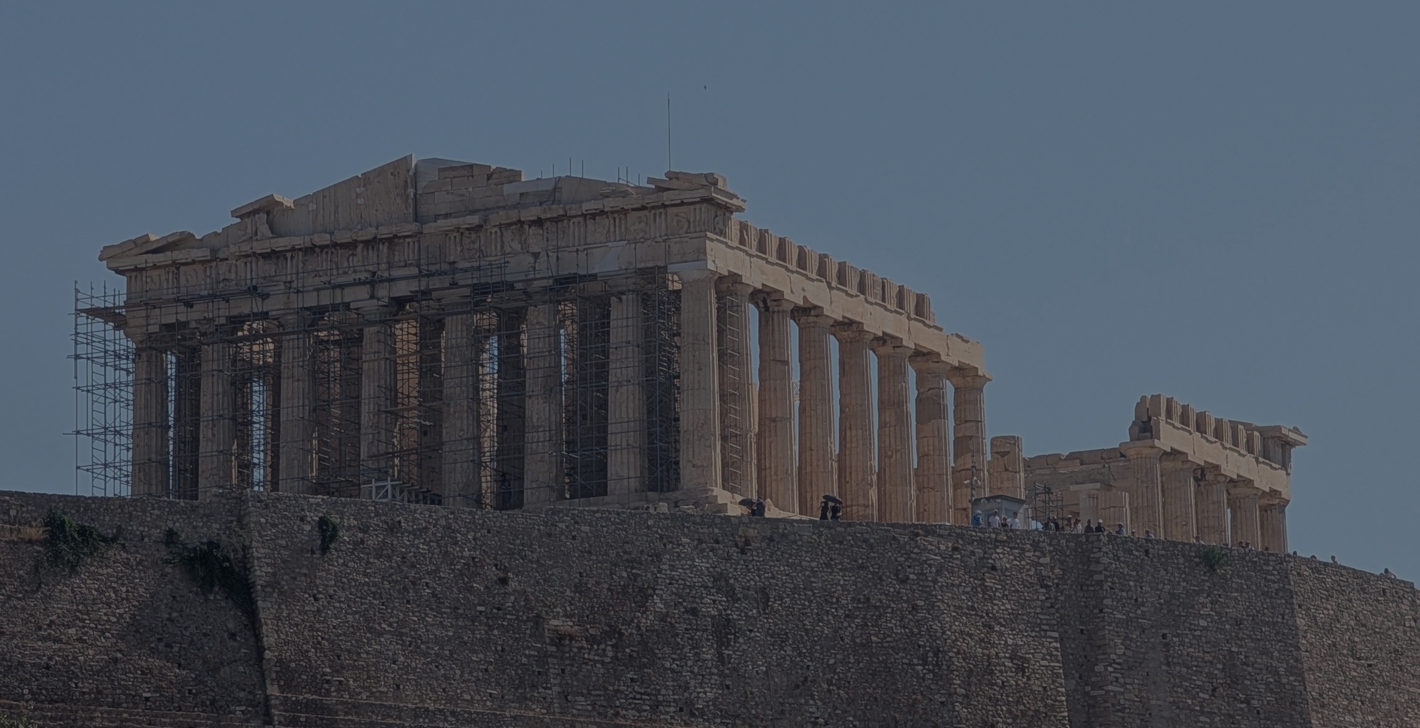
- Historical sites: The Colosseum and Roman Forum (Rome), the Acropolis (Athens), Ephesus (Turkey), and the Sistine Chapel (Vatican City).
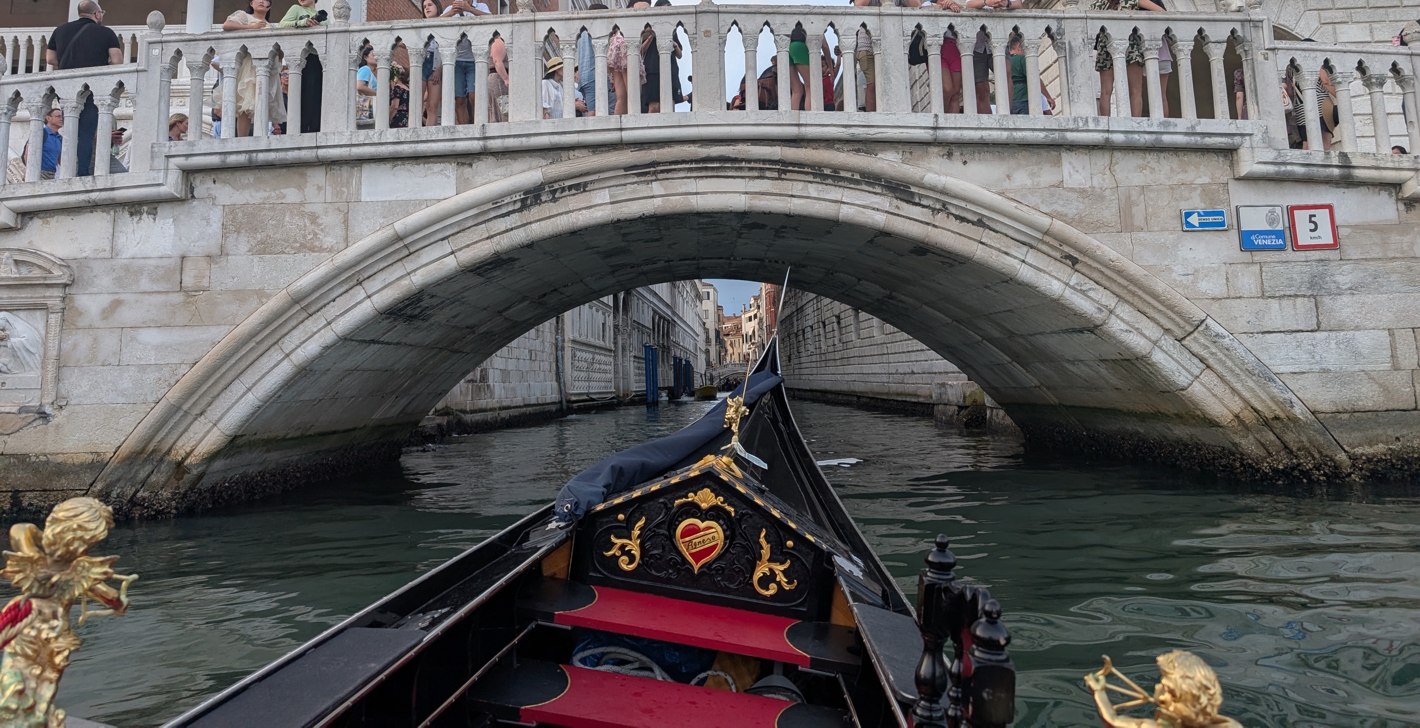
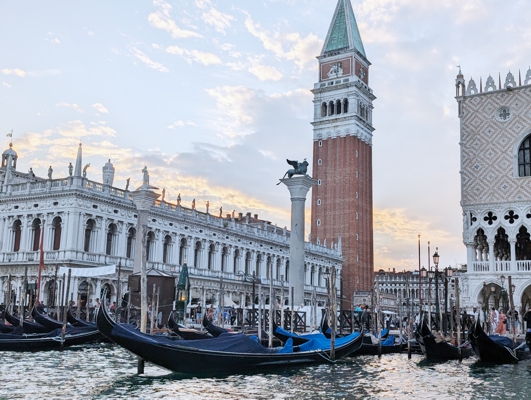
- Architectural highlights: Sagrada Familia (Barcelona), the labyrinthine streets of Venice, and the white-washed villages of Santorini.
Local Experiences & Culture:
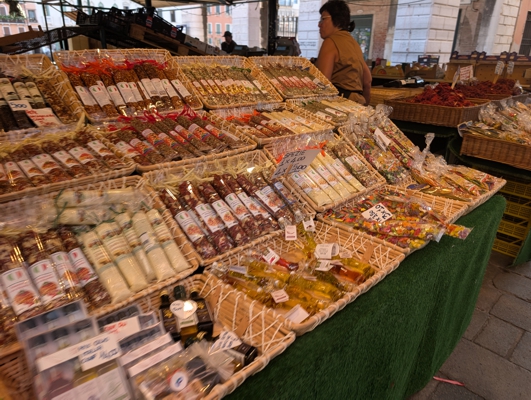
- Unique cultural activities: Attend an authentic Flamenco show (Spain), participate in a pasta-making class (Italy), or haggle for goods at a bustling local market (e.g., La Boqueria in Barcelona).
- Suggested walking tours: Look for free walking tours run by local guides near major squares. They offer a great introduction and history lesson for the city.
- The "vibe": The Mediterranean vibe is generally relaxed, passionate, and deeply historical—a blend of la dolce vita (the sweet life) and ancient wonder. Expect late dinners and lively evening strolls (the passeggiata).
Nature & Adventure:
- Beaches & hiking: The stunning Amalfi Coast (Italy), the black sand beaches of Santorini (Greece), and hiking through the Cinque Terre villages (Italy) or the Samaria Gorge (Crete).
- Popular shore excursions: Boat trips to the Blue Grotto (Capri), wine tasting tours in Tuscany, and snorkeling in the clear waters off the Greek Islands.
- Tips for booking non-cruise line excursions: Use reputable, highly-rated local operators like Viator or GetYourGuide, or book directly with local companies found online. Always confirm their return time to the ship and build in a minimum one-hour buffer.
Shopping:
- Best places to buy: Local crafts (ceramics, olive wood), leather goods (Florence), and gourmet foods (olive oil, spices, local wine).
- Insider tip: The Mediterranean is famous for high-quality leather (especially Italy), authentic olive oil, and local artisanal ceramics (e.g., from Greece or the south of Italy).
Food & Drink Focus
Local Cuisine Spotlight:
- Dishes and ingredients: Pasta and pizza (Italy), Tapas and Paella (Spain), Souvlaki and fresh seafood (Greece), and the essential Olive Oil used in everything.
- Recommended eateries: Seek out small, family-run trattorias (Italy) or tavernas (Greece) off the main tourist streets.
- Tips on avoiding tourist traps: Avoid restaurants with aggressive street barkers, menus in six languages with photos of the food, or those directly next to major attractions. Walk a few blocks away for authenticity and better value.
Best Restaurant Recommendations:
- Quick bite: Grab a slice of authentic Neapolitan pizza (Naples), a fresh panini from a local deli (Italy), or delicious gyro from a street vendor (Greece).
- Relaxed sit-down meal: Look for restaurants that have a concise, seasonal menu—a good sign of fresh ingredients.
Drink Culture:
- Local beverages to try: Aperol Spritz and limoncello (Italy), Ouzo (Greece), and local Sangria (Spain). Every region has exceptional local wine—don't be afraid to order the house wine!
- Recommended spots: Head to a rooftop bar in a coastal city for a picturesque view during aperitivo (pre-dinner drinks and snacks) hour.
- Tip: The legal drinking age is 18 in most Mediterranean countries (Spain, Greece, Italy, France), which is lower than in some other parts of the world.
Port-Specific Tips & Safety
Advice to make the day run smoothly and safely.
Time Management:
- Necessary time buffer: Always aim to be back on the ship at least one hour before the All Aboard time listed on your daily planner. Traffic or unexpected transit delays are common.
- How long it takes: Plan for 3-4 hours to see one major landmark and have a relaxed lunch. Day trips to major cities (e.g., Rome from Civitavecchia) require planning a full, intense day.
Safety & Scams:
- General safety advice: The Mediterranean is generally safe, but be hyper-aware in crowded areas.
- Common tourist scams: Pickpockets are the most common threat, especially on crowded subways, buses, and around major attractions (e.g., the Eiffel Tower, Trevi Fountain). Wear backpacks on your front and keep purses cross-body and zipped. Unlicensed taxis may overcharge; always ensure the taxi is licensed.
- Emergency contact numbers: The universal European emergency number is 112.
Budgeting:
- Estimated cost for a typical day (per person):
- Transport: €5 - €15 (for public transport or short taxi/shuttle)
- Food: €20 - €40 (for a quick lunch and a gelato/snack)
- One attraction: €15 - €25 (average entry fee)
- Total: €40 - €80
- Tips for a budget-friendly day: Prioritize free attractions (churches, parks, window shopping) and eat lunch from a local market or deli for a picnic.
- A lesser-known, non-touristy spot that you highly recommend: Instead of the main tourist beach, seek out a local piazza (square) in the early evening. Grab a drink and simply people-watch—it's the best way to soak up the authentic rhythm of Mediterranean life.
To research various European cruise excursions, click here.
Gallery:




Testimonial
Real Stories from Happy Travelers
.png)
Sarah Kathrik
“My Bali adventure with Travio was everything I hoped for and more. From the moment I landed, I felt cared they had arranged a wonderful local guide who hidden spots I’d never have found on my own. Each day was a balance of relaxation and adventure, from surfing lessons at Kuta Beach to a serene visit to the Ubud rice terraces.”
Location: Santorini, Greece
Rating: 4.6

.png)
Michael jason
“I chose Travio for a European tour, and their service was phenomenal. A few days before my trip, I had a medical issue, and their team went above beyond to rearrange my itinerary, ensuring I didn’t miss out on anything. They even arranged a private guide for one part of my trip when I wasn’t feeling well enough for group activities.”
Location: Bali, Indonesia
Rating: 4.8
.png)
Emma Mathe
“My trip to Paris through Travio was packed delightful surprises! I expected to see the typical sights, but my guide introduced me to charming, lesser-known spots that I absolutely adored – from small Parisian bookstores to hidden patisseries with the pastries I’ve ever tasted. One evening, they even organized a special river cruise dinner.”
Location: Tokyo, Japan
Rating: 4.8
.png)
Jason Thomas
“Travio helped my family and me plan our first-ever vacation to Japan, and it couldn’t have been more perfect. I was concerned about keeping my kids engaged, but Travio created an itinerary that was fun for all ages! From sumo-wrestling experiences to interactive museums, every day was an adventure for them.”
Location: Cape Town, South Africa
Rating: 4.8
