

Mexico
🇲🇽 The Ultimate Cruise Guide to Mexico: Sun, History, and Spice!
Cruising to Mexico offers a vibrant tapestry of ancient history, dazzling beaches, and world-class cuisine. Whether you're docking in the Pacific Riviera or the Caribbean Yucatán, this guide has the practical tips and local insights to help you make the most of your day in port.
Pre-Arrival & Logistics
These topics cover the practical planning before setting foot in the port.
Transportation Options:
- Availability and cost of taxis, ride-shares, public buses, or cruise line shuttles:
- Taxis are abundant right outside the cruise terminals, but ensure you use authorized, licensed taxis (often white with a specific logo or color) and always confirm the fare before getting in—don't rely on the meter.
- Cruise line shuttles are the most secure, but usually the most expensive, way to get to the main city center.
- Public buses (like in Cozumel or Puerto Vallarta) are the most budget-friendly option for getting around the city but require local knowledge. Ride-shares like Uber or DiDi are available in some, but not all, cruise ports (e.g., they may operate in Puerto Vallarta but are often restricted from the direct port entrance).
- Tips for navigating local transport: Have small U.S. dollar bills or Mexican Pesos ready for cash-only payments. If using a taxi, try to agree on a round-trip fare (including a specified waiting time) to avoid the hassle of finding a reputable ride back.
- Safety precautions for local transport: Always check for an official driver ID. Avoid traveling outside major tourist areas or at night if you venture beyond the immediate port area.
Currency & Communication:
- Local currency accepted (and if USD/credit cards are commonly used): The official currency is the Mexican Peso (MXN). However, U.S. Dollars (USD) are widely accepted in major cruise ports (Cozumel, Cabo, Puerto Vallarta), though often at a less favorable exchange rate than using the local currency. For the best value, plan to use pesos for small vendors and tips.
- Availability of ATMs and exchange rates: Only use ATMs located inside a bank, hotel, or major shopping center during daylight hours to avoid skimming devices or street scams. Exchange booths at the port offer poor rates; withdrawing from a secure bank ATM is generally better.
- Cell service/Wi-Fi availability in the port area: Wi-Fi is often available at port-side restaurants, coffee shops, and bars. If you need consistent connection, consider purchasing a local SIM card (if your phone is unlocked) or relying on your ship's Wi-Fi package.
Weather & Best Time to Visit:
- Typical climate/weather to expect: Expect hot and humid weather, especially on the Caribbean side (Cozumel, Costa Maya). The Pacific ports (Cabo, Puerto Vallarta) can be drier. Temperatures are typically high year-round.
- Seasonal considerations: The Hurricane Season runs from June to November and can bring heavy rain and the possibility of missed ports. Peak tourist crowds are typically from December to March (the dry season), offering the best weather but higher prices.
Attraction & Activity Guides
This is the core of the experience—what to see and do.
Must-See Landmarks:
- Historical sites, architectural highlights, and famous monuments:
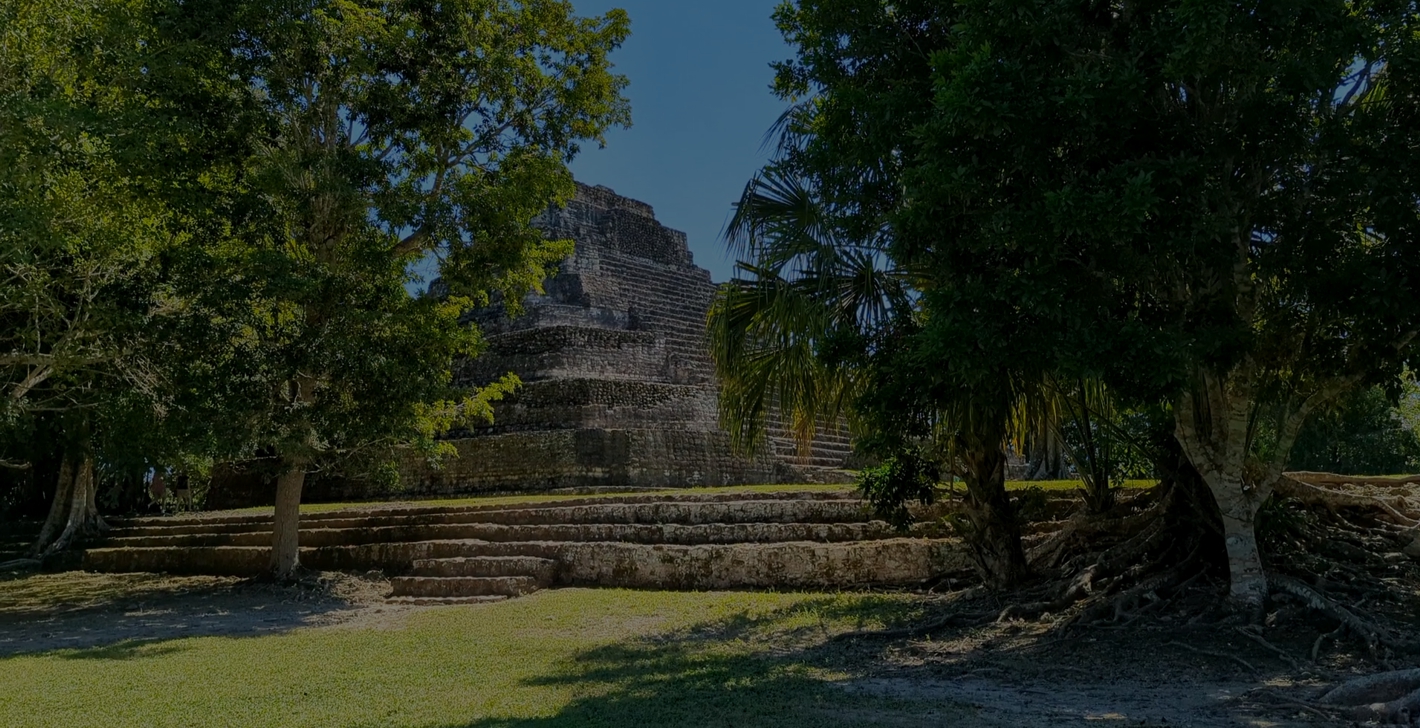
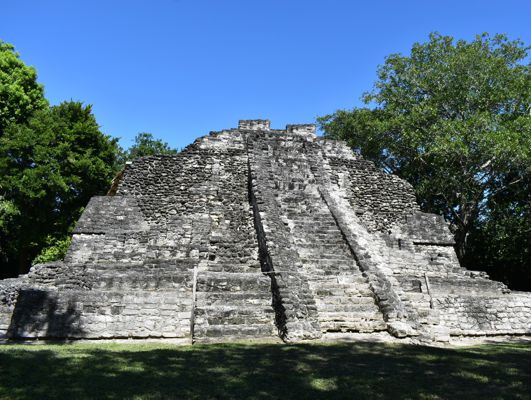
- Caribbean Side: The magnificent Mayan Ruins (like Chacchoben near Costa Maya, or a ferry/excursion to Tulum or Chichén Itzá from Cozumel/Playa del Carmen) are the major draw.
- Pacific Side (Mexican Riviera): Explore the historic centers like El Centro in Puerto Vallarta with the iconic Church of Our Lady of Guadalupe or the towering El Faro (lighthouse) in Mazatlán. In Cabo, the famous El Arco (The Arch) at Land's End is a must-see, typically viewed via a boat tour.
Local Experiences & Culture:
- Unique cultural activities: Attend a local street market (mercado) for an authentic slice of Mexican life, enjoy a Mariachi performance on the malecón (boardwalk) in Puerto Vallarta, or participate in a tequila/mezcal tasting class.
- The "vibe" of the city or town:
- Cozumel: Relaxed, focus on water activities, and very Americanized near the port.
- Puerto Vallarta: Historic, artsy, and sophisticated, with a romantic coastal feel.
- Cabo San Lucas: Party-centric, luxury resort feel, with incredible desert-meets-ocean landscapes.
Nature & Adventure:
- Beaches, hiking trails, national parks, or wildlife viewing opportunities: Mexico boasts world-class beaches. On the Caribbean side, snorkeling and diving the Mesoamerican Barrier Reef (second largest in the world) is paramount, especially near Cozumel. The Pacific coast offers whale watching (seasonal, Dec-Apr, especially in Cabo) and beautiful beaches like Playa El Médano (Cabo) and Playa Las Gatas (Zihuatanejo).
- Popular shore excursions: Snorkeling/Scuba Diving, Ziplining through the jungle canopy, ATV/Jeep Tours (especially in the desert near Cabo), and deep-sea fishing excursions.
- Tips for booking non-cruise line excursions: Book through highly-rated, independent, and licensed operators before your cruise for better pricing. Look for companies that guarantee an on-time return to the ship.
Shopping:
- Best places to buy souvenirs, local crafts, and duty-free items: The malecón (boardwalk) and main street areas (like Calle Primera in Ensenada) are lined with shops. The local markets will offer the best prices for crafts, but be prepared to haggle.
- Insider tip: What is the port famous for buying?
- Tequila/Mezcal: Available everywhere, but look for artisan varieties from dedicated shops.
- Silver Jewelry: Taxco is the silver capital, but good quality silver (stamped .925) can be found throughout the ports.
- Vanilla: Authentic Mexican vanilla is a great find; avoid the cheap, clear liquid (often synthetic) and look for dark, extract-based vanilla.
- Local Pottery/Textiles: Look for regional ceramics, hammocks, or colorful woven blankets.
Food & Drink Focus
Local Cuisine Spotlight:
- Dishes and ingredients the region is famous for:
- Yucatán (Caribbean): Cochinita Pibil (slow-roasted marinated pork) and Sopa de Lima (lime soup).
- Pacific Coast: Incredible, fresh Ceviche (especially in Mazatlán, the "Shrimp Capital") and smoked marlin tacos (Cabo).
- Everywhere: Authentic Tacos al Pastor, fresh Guacamole, and, of course, salsa.
- Tips on avoiding tourist traps near the port: Walk a few blocks away from the immediate cruise terminal or malecón area. Look for restaurants or food stalls where locals are eating. A short taxi or bus ride can lead you to a much more authentic and affordable meal.
Best Restaurant Recommendations:
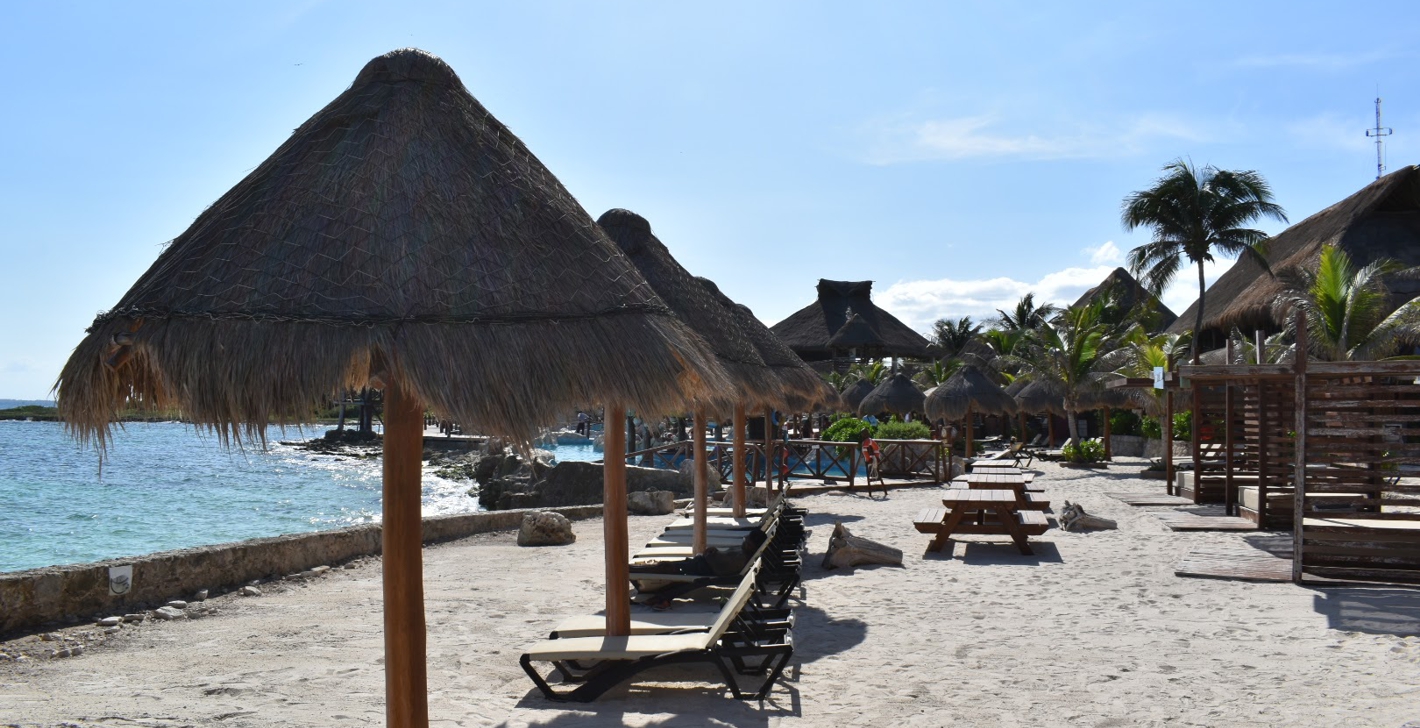
- Suggestions for a quick bite or a more relaxed sit-down meal: For a quick, affordable, and authentic bite, seek out a dedicated, clean taquería away from the main tourist strip. For a relaxed, sit-down meal with a view, find a highly-rated beach club or palapa (open-air, thatched-roof restaurant).
Drink Culture:
- Local beverages to try: Tequila (made from blue agave) and Mezcal (made from various agave plants, often with a smokier flavor). Try a fresh-made Margarita or a Michelada (beer mixed with lime, sauces, and chili). For non-alcoholic options, try fresh Aguas Frescas like Jamaica (hibiscus tea) or Horchata (rice milk with cinnamon).
- Tip: Mentioning any legal drinking age differences: The legal drinking age in Mexico is 18 years old, which is lower than in the US (21). Always drink responsibly.
Port-Specific Tips & Safety
Advice to make the day run smoothly and safely.
Time Management:
- The necessary time buffer for getting back to the ship: Allow a minimum of 60 minutes before the "all aboard" time (which is typically 30-60 minutes before the ship's scheduled departure). This is especially critical in tender ports (like Cabo San Lucas), where you must factor in the time to queue for and ride the tender back. Always keep your watch/phone on Ship Time to avoid confusion.
- How long it takes to see the main sights: Most major attractions (ruins, main beaches) are accessible within a 30-45 minute taxi ride of the port. Plan for 2-3 hours at a major historical site or beach, plus your travel time.
Safety & Scams:
- General safety advice for the location: Exercise a high degree of caution. Stay in well-lit, established tourist areas. Avoid walking alone after dark. Don't flash expensive jewelry or wads of cash.
- Common tourist scams to watch out for:
- Unlicensed/Unmetered Taxis: Always confirm the price first.
- Counterfeit Goods: Purchase high-value items (like silver or tequila) from reputable stores.
- ATM Skimming/Helpful Strangers: Only use bank ATMs and be wary of anyone offering unsolicited assistance.
- Emergency contact numbers: The general emergency number in Mexico is 911.
Budgeting:
- Estimated cost for a typical day (transport, food, one attraction): A moderate day for one person could range from $75 - $150 USD, including a taxi to the beach/town ($20-$40 round-trip), lunch ($15-$30), and a small activity or souvenir. Major cruise line excursions cost significantly more ($80 - $200+).
- Tips for a budget-friendly day: Skip the organized tours. Use public transport or walk. Eat street tacos/market food. Spend the day on a public beach.
- A lesser-known, non-touristy spot that you highly recommend: Look for the local mercado (market) in any port city. While tourist areas have shops, the local market offers an authentic, chaotic, and fascinating glimpse into the city's heartbeat, with incredible food stalls and genuine crafts.
Gallery:
Testimonial
Real Stories from Happy Travelers
.png)
Sarah Kathrik
“My Bali adventure with Travio was everything I hoped for and more. From the moment I landed, I felt cared they had arranged a wonderful local guide who hidden spots I’d never have found on my own. Each day was a balance of relaxation and adventure, from surfing lessons at Kuta Beach to a serene visit to the Ubud rice terraces.”
Location: Santorini, Greece
Rating: 4.6

.png)
Michael jason
“I chose Travio for a European tour, and their service was phenomenal. A few days before my trip, I had a medical issue, and their team went above beyond to rearrange my itinerary, ensuring I didn’t miss out on anything. They even arranged a private guide for one part of my trip when I wasn’t feeling well enough for group activities.”
Location: Bali, Indonesia
Rating: 4.8
.png)
Emma Mathe
“My trip to Paris through Travio was packed delightful surprises! I expected to see the typical sights, but my guide introduced me to charming, lesser-known spots that I absolutely adored – from small Parisian bookstores to hidden patisseries with the pastries I’ve ever tasted. One evening, they even organized a special river cruise dinner.”
Location: Tokyo, Japan
Rating: 4.8
.png)
Jason Thomas
“Travio helped my family and me plan our first-ever vacation to Japan, and it couldn’t have been more perfect. I was concerned about keeping my kids engaged, but Travio created an itinerary that was fun for all ages! From sumo-wrestling experiences to interactive museums, every day was an adventure for them.”
Location: Cape Town, South Africa
Rating: 4.8
