

Panama Canal
Cruising the Eighth Wonder: Your Essential Guide to the Panama Canal Ports
A Panama Canal cruise is a bucket-list journey, whether you're experiencing a full transit, a partial crossing into Gatún Lake, or simply docking for a day in a port like Colón or Panama City. This marvel of engineering connects two oceans and offers an unforgettable fusion of history, culture, and dense tropical rainforest.
Pre-Arrival & Logistics
These topics cover the practical planning before setting foot in the port.
Transportation Options:
- Availability and cost of taxis, ride-shares, public buses, or cruise line shuttles:
- Taxis are readily available at the port terminals in both Colón and Fuerte Amador (Panama City's cruise port). Always agree on the fare before getting in, as meters are rarely used for tourists.
- Cruise line shuttles are often the safest and most convenient option, especially for the longer ride between Fuerte Amador and the historic Casco Viejo or downtown Panama City.
- Public buses (known as Diablos Rojos or the newer Metro Bus system) are cheap but complex and not recommended for cruise passengers with limited time.
- Tips for navigating local transport (e.g., buying an an all-day pass):
- For taxis, have your destination written down clearly. A one-way fare from Fuerte Amador to Casco Viejo might range from $15–$30 USD, depending on negotiation and traffic.
- Safety precautions for local transport:
- Use officially licensed taxis or pre-arranged transportation. Never get into an unmarked car.
Currency & Communication:
- Local currency accepted (and if USD/credit cards are commonly used):
- The official currency is the Panamanian Balboa (PAB), but it is pegged 1:1 with the U.S. Dollar (USD). Panama uses U.S. coins and bills exclusively. USD is the currency you will use everywhere.
- Credit cards (Visa/Mastercard) are widely accepted in major tourist areas, hotels, and nicer restaurants. Cash is best for small vendors and tips.
- Availability of ATMs and exchange rates:
- ATMs are available at the port and in major cities. Since the currency is USD, there is no exchange rate to worry about, though your bank may charge a foreign transaction fee.
- Cell service/Wi-Fi availability in the port area:
- Wi-Fi is often available at the cruise terminal, coffee shops, and restaurants in Casco Viejo. Consider an international roaming package or a local prepaid SIM card if you plan to travel extensively outside the main areas.
Weather & Best Time to Visit:
- Typical climate/weather to expect:
- Panama has a tropical climate—it is hot and very humid year-round, with average high temperatures in the mid-80s to low-90s $\text{F}$ ($29-34^\circ\text{C}$).
- Seasonal considerations (e.g., hurricane season, peak tourist crowds):
- The Dry Season (December to April) is considered the best time to visit, with less rainfall and lower humidity, making it peak cruise season.
- The Wet Season (May to November) brings daily showers, typically in the afternoon. Panama is outside the main hurricane belt, making it a reliable destination even during the typical Caribbean hurricane season.
Attraction & Activity Guides
This is the core of the experience—what to see and do.
Must-See Landmarks:
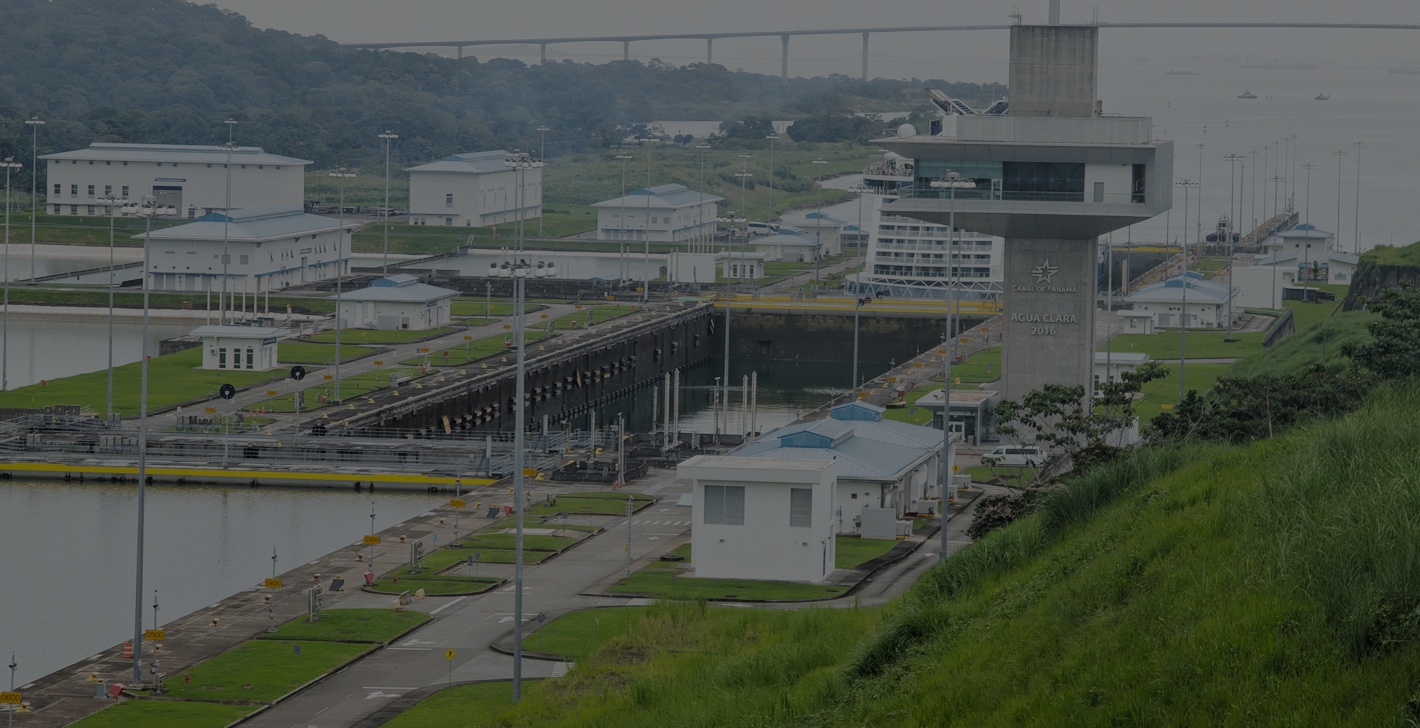
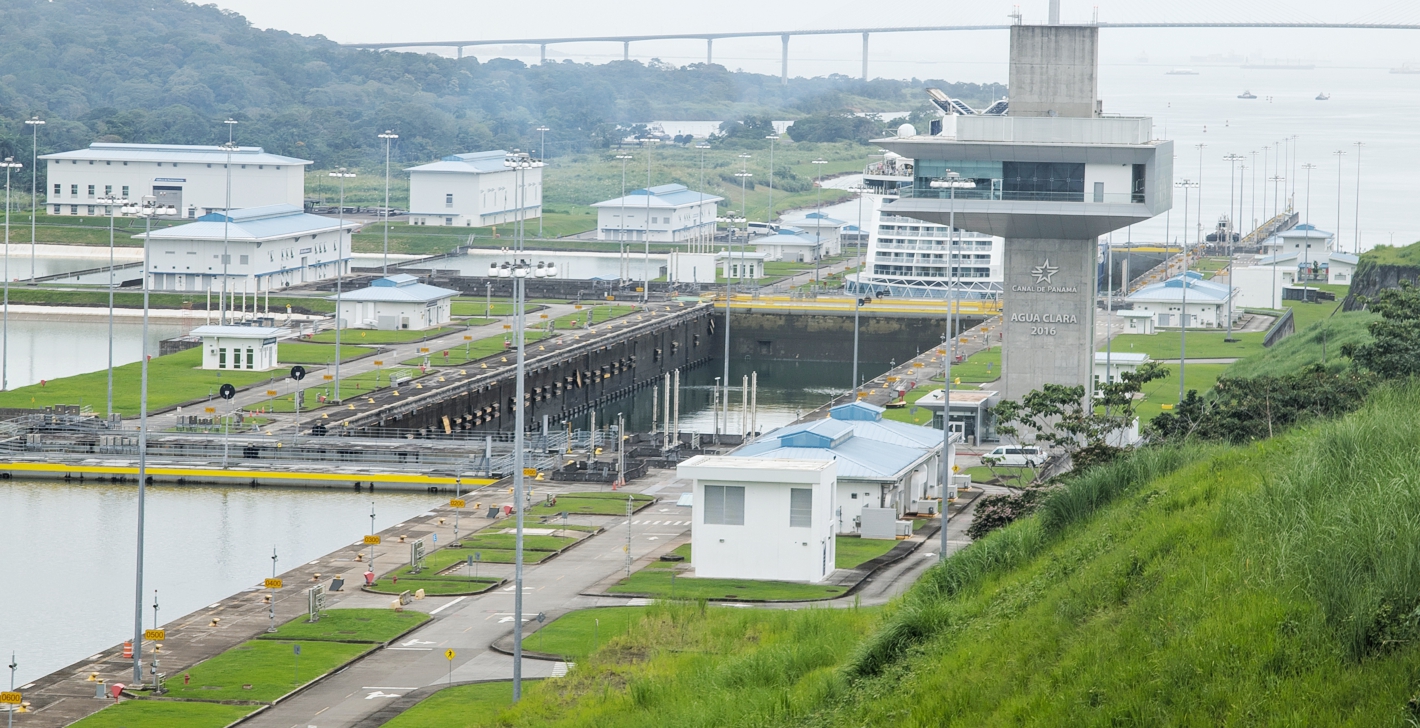
- The Panama Canal: The engineering masterpiece itself. Cruise ships on a transit will pass through the locks (like the Gatún Locks on the Caribbean side or Miraflores/Pedro Miguel Locks on the Pacific side). For port-of-call visitors, the Miraflores Visitor Center (near Panama City) or the Agua Clara Visitor Center (near Colón) offer excellent viewing decks and museums.
- Casco Viejo (Old Quarter), Panama City: A UNESCO World Heritage site known for its stunning Spanish-Colonial, French, and Antillean architecture. Walk the cobblestone streets, see the Metropolitan Cathedral, and enjoy the sea wall promenade, Las Bóvedas.
- Panamá Viejo: The ruins of the original Panama City, destroyed in 1671, offering a glimpse into the country's early history.
- Portobelo (near Colón): A UNESCO site with the preserved ruins of Spanish colonial fortifications and forts built to protect gold shipment routes.
Local Experiences & Culture:
- Unique cultural activities: Visit the Mercado de Mariscos (Fish Market) in Panama City for the freshest seafood and local ceviche.
- Suggested walking tours: Casco Viejo is perfect for a self-guided or guided walking tour, discovering hidden plazas and restored buildings.
- The "vibe" of the city or town:
- Panama City: A vibrant, cosmopolitan mix of modern skyscrapers (often called the "Dubai of Central America") and historic charm in Casco Viejo.
- Colón: Generally more industrial and less developed for tourism outside of the main cruise port area. Visitors often head straight to the Canal or Portobelo.
Nature & Adventure:
- Nature & Adventure: The Soberanía National Park is easily accessible from both sides of the canal, offering chances to spot sloths, howler monkeys, and toucans.
- Popular shore excursions:
- Gatún Lake Boat Tours: Excursions that take you onto the artificial lake to spot wildlife like capuchin monkeys on the famous Monkey Island.
- Rainforest Aerial Tram: A tranquil way to glide through the canopy of the Gamboa Rainforest.
- Emberá Indigenous Village Tours: A cultural and natural experience visiting a traditional village of the Emberá people.
- Tips for booking non-cruise line excursions:
- Use reputable local operators. Ensure they have a clear guarantee for getting you back to the ship on time.
Shopping:
- Best places to buy souvenirs, local crafts, and duty-free items:
- Casco Viejo: Features art galleries, souvenir shops, and artisan stalls with high-quality crafts.
- Colón Free Trade Zone (Zona Libre): The largest duty-free shopping area in the Americas, though it mostly caters to wholesale buyers. Cruise passengers can find electronics, perfume, and jewelry here.
- Insider tip: Panama is famous for its Geisha coffee, a world-renowned, high-end bean. Look for shops selling authentic Panamanian woven baskets (canastas) and the intricate, hand-stitched textiles made by the indigenous Kuna people called molas.
Food & Drink Focus
Local Cuisine Spotlight:
- Dishes and ingredients the region is famous for:
- Sancocho de Gallina: The national dish, a hearty chicken stew with yuca, plantain, and seasoned with culantro (a more pungent herb similar to cilantro).
- Ceviche: Fresh fish (often corvina or sea bass) or seafood marinated in lime juice, onions, and chili. Best enjoyed from the casual stalls at the Mercado de Mariscos.
- Patacones: Twice-fried, flattened slices of green plantain, a popular side dish.
- Tips on avoiding tourist traps near the port:
- Venture a few blocks away from the immediate cruise terminal or the main plazas of Casco Viejo to find smaller, authentic fondas (local eateries) where a large, filling lunch is very affordable.
Best Restaurant Recommendations:
- Suggestions for a quick bite: Grab an empanada (a fried, stuffed pastry) or a portion of ceviche from a market or street stall.
Drink Culture:
- Local beverages to try:
- Panamanian Coffee: Some of the best in the world, particularly the high-altitude varieties.
- Seco Herrerano: Panama's national spirit, distilled from sugarcane. It is often mixed with milk (as a Seco con Leche) or fruit juice.
- Local Beers: Try a crisp Panamá or Atlas lager.
- Chichas: Fresh fruit juices, often served over ice.
- Tip: The legal drinking age in Panama is 18 years old.
Port-Specific Tips & Safety
Advice to make the day run smoothly and safely.
Time Management:
- The necessary time buffer for getting back to the ship: Always aim to be back at the ship at least 1.5 to 2 hours before the ship's scheduled departure, especially when traveling from Panama City to the Colón area due to the possibility of heavy traffic.
- How long it takes to see the main sights: A visit to the Miraflores Locks Visitor Center takes about 2-3 hours, while Casco Viejo can easily fill half a day. Combine them for a full-day excursion.
Safety & Scams:
- General safety advice for the location: Be aware of your surroundings, especially in crowded tourist spots. Leave expensive jewelry and valuables on the ship.
- Common tourist scams to watch out for: Unlicensed taxis who quote exorbitant, un-negotiated fares. Only take clearly marked taxis, and always agree on the price before you start driving.
- Emergency contact numbers: The national emergency number is 911.
Budgeting:
- Estimated cost for a typical day: A budget-friendly day (local transport, ceviche lunch, one attraction like Miraflores Locks) could be around $50–$75 USD per person. A luxury day with private transport and a high-end Casco Viejo dinner could easily top $200+ USD.
- Tips for a budget-friendly day: Stick to walking Casco Viejo, grab street food, and use the cruise shuttle if available.
- A lesser-known, non-touristy spot that you highly recommend: Visit the BioMuseo in Panama City, a unique, colorful building designed by Frank Gehry that focuses on Panama’s biodiversity and its impact on the world.
I hope this guide helps you prepare for your incredible journey to the Panama Canal! Would you like me to find a YouTube video showing a complete transit of the Canal so you can see the locks in action?
Gallery:
Testimonial
Real Stories from Happy Travelers
.png)
Sarah Kathrik
“My Bali adventure with Travio was everything I hoped for and more. From the moment I landed, I felt cared they had arranged a wonderful local guide who hidden spots I’d never have found on my own. Each day was a balance of relaxation and adventure, from surfing lessons at Kuta Beach to a serene visit to the Ubud rice terraces.”
Location: Santorini, Greece
Rating: 4.6

.png)
Michael jason
“I chose Travio for a European tour, and their service was phenomenal. A few days before my trip, I had a medical issue, and their team went above beyond to rearrange my itinerary, ensuring I didn’t miss out on anything. They even arranged a private guide for one part of my trip when I wasn’t feeling well enough for group activities.”
Location: Bali, Indonesia
Rating: 4.8
.png)
Emma Mathe
“My trip to Paris through Travio was packed delightful surprises! I expected to see the typical sights, but my guide introduced me to charming, lesser-known spots that I absolutely adored – from small Parisian bookstores to hidden patisseries with the pastries I’ve ever tasted. One evening, they even organized a special river cruise dinner.”
Location: Tokyo, Japan
Rating: 4.8
.png)
Jason Thomas
“Travio helped my family and me plan our first-ever vacation to Japan, and it couldn’t have been more perfect. I was concerned about keeping my kids engaged, but Travio created an itinerary that was fun for all ages! From sumo-wrestling experiences to interactive museums, every day was an adventure for them.”
Location: Cape Town, South Africa
Rating: 4.8
